Modular Homes vs. Prefab Homes: A Practical Guide for Homeowners
If you’re researching modular and prefab homes, you’ve probably noticed how quickly the terminology can blur. People use “prefab,” “modular,” and “panelized” interchangeably, even though they’re not always describing the same thing. That matters because the building method you choose can affect what’s feasible, what a provider will require, and where costs or delays tend to show up.
When you’re comparing modular homes and prefab homes, the first step is understanding what those labels mean.
This article is focused on modular and prefab building methods and how to talk with providers—so you can make informed decisions early.
Prefab vs. Modular vs. Panelized Homes: Key Definitions
Prefab Homes: What “Prefabricated” Means
Prefab is the umbrella term. It generally refers to homes (or major parts of a home) built in a factory setting and then assembled on site. Modular and panelized homes are commonly included under the prefab umbrella. In other words, “prefab” tells you where major parts are built—but not exactly how the home will be delivered, assembled, or finished.
Modular Homes: How They’re Built and Delivered
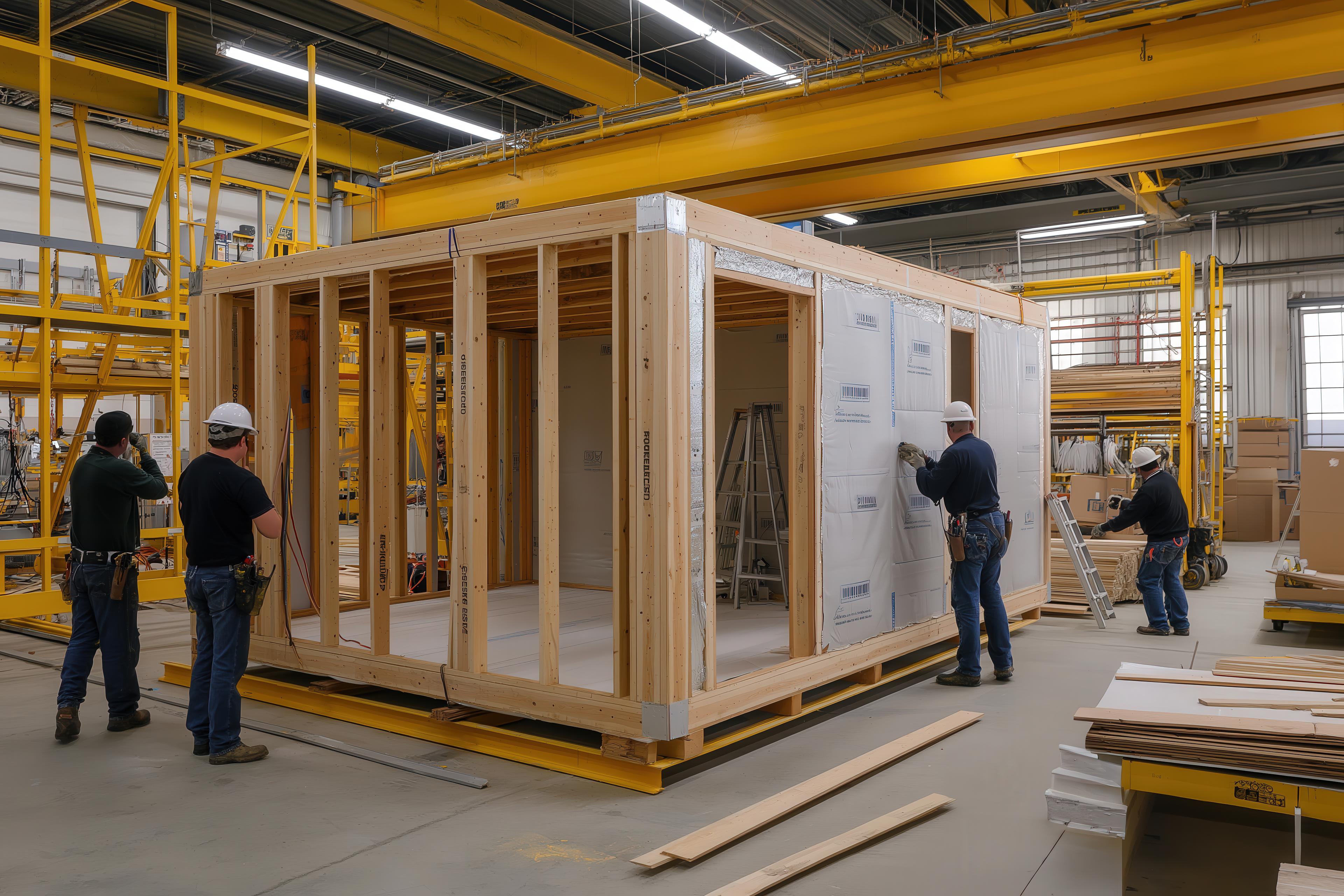
A modular home is built in sections (modules) in a factory and then transported to your lot to be assembled on a site-built foundation (such as a slab, crawl space, or basement). The set often involves a crane, depending on the provider and site access. Modular is often considered one of the most comprehensive forms of prefabricated homebuilding, since large portions of the home are completed before delivery.
A local builder typically completes the final work on site. Modular homes are generally described as designed and constructed to meet the building (and related safety) code requirements for the home’s final location. The exact approvals and inspection steps still depend on where you’re building and the provider you choose. Because modular construction follows a set production approach, it can influence practical decisions like delivery limits, how modules connect on the foundation, and when certain choices need to be finalized before production begins.
Panelized Homes: How Panelized Construction Works
A panelized home (sometimes called a panelized building system) uses factory-built components—commonly wall panels, and sometimes floor and roof panels—that are shipped to the site and assembled there. Because the home is still put together on-site, panelized construction can feel closer to a traditional build once assembly starts—just with major structural pieces prepared ahead of time.
Modular & Prefab Homes: What Happens On-Site
Off-site construction—whether you’re looking at modular, panelized, or prefab in general—changes where work happens, but it doesn’t remove the on-site phase. You’ll still have local approvals and inspections, site preparation (grading, drainage, access), a
site-built foundation, and utility connections. Delivery and set-day coordination is also part of the process, followed by the on-site work that completes the home.
Timeline: How Long Modular and Prefab Homes Take
Timeline depends on how the provider schedules production, how quickly the site is ready, and the pace of permits, inspections, and delivery/set coordination.
Cost: What Affects Modular and Prefab Home Pricing
Cost is shaped by site work, foundation requirements, utility runs, delivery distance, and what’s included versus upgraded in the provider’s package.
Quality: What to Expect From Modular and Prefab Homes
Quality depends on the provider’s build standards and how the home is assembled, finished, and connected on-site.
A helpful question to ask early is: What work is included before delivery, what happens on-site, and who is responsible for each piece?
For a high-level overview of steps that come up in most builds (even when parts are built off-site), our
home building process guide (10 steps) is a helpful reference.
Modular & Prefab Homes: 3 Things to Confirm Early
If you’re still in the research phase, these early checks can make it easier to compare providers and understand what a project will require.
1) Site access and staging
Access can be a deciding factor. Think road width, turning space, overhead wires, tree clearance, and whether there’s room to stage materials and equipment. Limited access doesn’t rule out off-site construction, but it can change what’s practical and how the project is planned.
2) Provider system requirements
Modular and panelized providers build within a system, and requirements vary. Ask what constraints matter most for their method—especially around transportation, how sections/panels connect, and which decisions need to be finalized before production begins.
3) Approvals and responsibilities
You’ll still work through local approvals and inspections, and responsibilities can be shared between the provider, your local builder, and you. A useful early question is: Which parts are handled by the provider, which are handled locally, and what do you need from me before production starts?
Modular vs. Prefab Homes FAQ
Are prefab homes the same as modular homes?
Not exactly. Prefab is a broad category that includes different off-site methods. Modular homes are one common type of prefab home, built as larger sections that are delivered and assembled on a site-built foundation. Panelized is another prefab approach, where wall (and sometimes floor/roof) panels ship flat and are assembled on-site.
A quick way to get clarity is to ask a provider: “Is your system modular, panelized, or a hybrid—and what arrives built versus finished on-site?”
Can any house plan be built as a modular home?
Not always. Many providers can work from a plan concept, but each modular system has practical requirements that can affect what’s feasible without changes. The biggest factors are usually:
How the home will be split into modules (and where those connections land)
Delivery limits (module dimensions and transport logistics)
Structural and mechanical coordination (what has to align before production)
A strong first question is: “If I show you a plan I like, what would you typically need to adjust to fit your system?”
Is modular the same as manufactured?
No. They’re different categories. Manufactured homes follow a federal standard (HUD Code). Modular homes generally follow a building-code path used for permanent homes in your area, but exact approvals still vary by location and provider.
If the terms are getting mixed, ask: “What standard do you build to, and how does that affect permitting where I’m building?”
What should I ask first when I contact a provider?
Start with questions that clarify scope and responsibilities. These four usually get you the clearest answers quickly:
What system do you use (modular, panelized, or hybrid)?
What’s included in your base package—and what’s typically excluded? (site work, foundation, utilities, delivery/set, finishes)
What do you assume about the site? (access, slope, utilities, staging)
What decisions have to be finalized before production begins?
Not Sure About Modular or Prefab? Another Path to Explore
Modular homes and prefab homes can be a great fit for the right project, especially when you’re working with a provider whose system matches your goals and your site. The most useful step you can take early is to get clear on three things: what “prefab” means in your provider’s world, what’s included in their scope before delivery, and what still happens on-site. With those answers, it’s much easier to compare options and move forward with confidence.
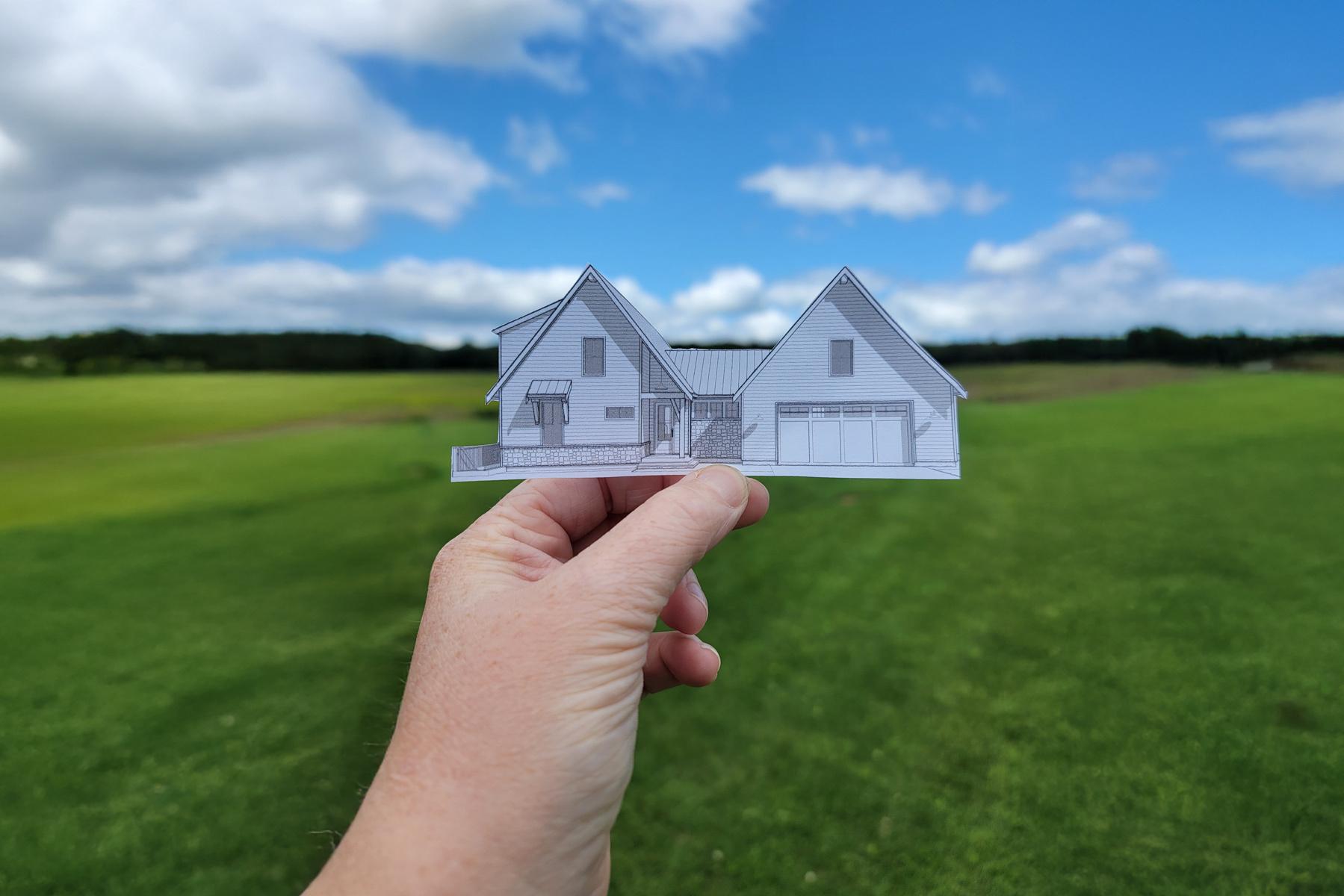
If you’re still exploring whether modular or prefab is the right fit, it may also help to look at a more traditional homebuilding path—choosing a house plan first and working with a local builder to bring it to life. If you go that route, you can browse our collection of over 25,000 plans and use our guide on
how color-coding makes our floor plans easy to read to understand the layout more quickly.